Introduction
In the rapidly evolving landscape of health care, registered nurses discover themselves at the forefront of client management and treatment. One essential area that has gotten prominence recently is air flow management. As more people need breathing support as a result of a selection of problems, the demand for specialized training in this domain name comes to be increasingly essential. This article will look into the complex partnership between nursing and ventilation training programs, stressing why every nurse should invest in these indispensable educational opportunities.
Why Every Nurse Must Buy Ventilation Training Courses
Ventilation training programs are created to outfit registered nurses with the understanding and skills required to take care of people calling for respiratory support efficiently. These programs encompass a large range of topics, including fundamental ventilator procedure, progressed airway management, and details strategies associated with tracheostomy treatment. Understanding just how to operate and repair ventilators can considerably boost patient end results and reduce complications related to mechanical ventilation.
The Expanding Importance of Air Flow Skills
With a boosting number of individuals presenting with respiratory system deficiency or failing, the demand for experienced specialists that can provide effective airway and ventilation management has surged. Nurses play a pivotal role in monitoring individuals on ventilators, ensuring they get proper degrees of assistance customized to their private needs.
The Increasing Function of Nurses in Ventilation Management
Nurses are no more simple aides to medical professionals; they are now important participants of the medical care team in charge of direct client care. This shift demands that registered nurses have detailed expertise regarding numerous medical tools, consisting of ventilators.
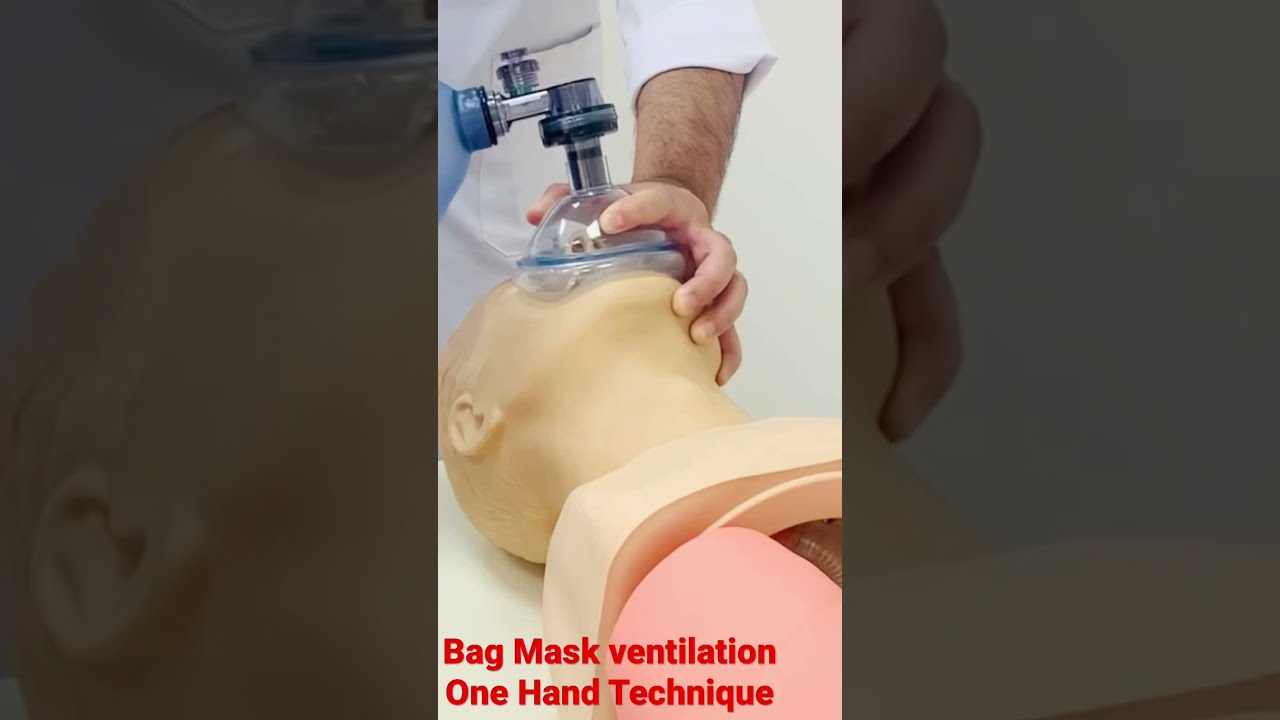
- What is mechanical air flow? How does it vary from manual ventilation?
- Why is continual monitoring essential for clients on ventilators? What parameters should registered nurses track?
Real-world Applications of Ventilation Training
In useful settings, registered nurses commonly locate themselves handling intricate situations where timely interventions can mean the difference in between life and death. For example:

- A nurse trained in ventilator stress support can promptly change settings based upon a client's altering condition. Knowledge got from a basic ventilator course can aid nurses determine early indicators of respiratory distress.
Components of Efficient Ventilation Training Courses
When taking into consideration investment in ventilation training programs, it's crucial to understand what these programs typically cover:
Basic Principles of Ventilation- Introduction to different types of ventilatory support. Basic technicians behind just how ventilators work.
- Tracheostomy and ventilator management. Troubleshooting usual concerns encountered during mechanical ventilation.
- Case studies showing real-life situations where appropriate training made a significant impact. Hands-on practice sessions with advanced equipment.
Benefits of Specialized Ventilator Educating for Nurses
Investing time and sources into specialized training returns countless advantages:
Enhanced Patient Safety
With progressed knowledge comes boosted confidence when taking care of critically unwell people on mechanical assistance:
- Understanding potential difficulties associated with poor air passage management. Being able to acknowledge when intervention is necessary.
Improved Job Contentment and Job Advancement
Nurses equipped with specialized abilities commonly take pleasure in better work contentment because of their enhanced capabilities, bring about occupation development chances:
- Potential functions include Professional Nurse Professional or Breathing Registered Nurse Educator.
Types of Ventilation Training Training Courses Available
When discovering options for ventilation training courses, think about the complying with categories:
airway management and ventilationBasic Ventilator Course
Developed for entry-level nurses aiming to develop fundamental knowledge.
NDIS Ventilation Training Course

Advanced Respiratory tract Monitoring Courses
Targeted at experienced registered nurses seeking to deepen their understanding and abilities associated with complicated instances including airway management.
Frequently Asked Questions concerning Ventilation Training Courses
1. What is a standard ventilator course?
A standard ventilator program gives fundamental expertise regarding mechanical air flow principles, helping registered nurses understand exactly how ventilators work and how to keep track of clients effectively.
2. How long do ventilation training courses normally last?
Most training courses range from one day to a number of weeks depending upon their intricacy and depth.
3. That must take these courses?
While primarily focused on nurses, various other healthcare specialists associated with individual treatment might also gain from these programs.
ventilator support explained4. Exist on-line alternatives offered for ventilation training?
Yes! Lots of organizations use hybrid designs or completely on the internet training courses that allow flexibility while obtaining essential skills.
5. Is accreditation given upon completion?
Most reliable programs offer certification upon effective completion as proof of expertise in managing patients calling for respiratory tract support
6. Can ventilation training boost individual outcomes?
Absolutely! Proof recommends that trained personnel can better take care of complicated cases leading inevitably towards improved wellness outcomes for patients needing respiratory support
Conclusion: Investing in Your Future as a Nurse
As we browse through an era noted by substantial technical innovations within healthcare centers across many countries internationally, spending time into gaining proficiency such as those used via numerous types Of advanced curricula continues to be vital. The growing value put upon reliable respiratory tract administration can not be overemphasized; for that reason it stands clear why every registered nurse should invest greatly into seeking comprehensive education and learning around topics such as "ventilatory techniques". Not just does this lead in the direction of enhanced job prospects however additionally outfits professionals with essential devices needed when offering top quality care under difficult situations.
Ultimately, by prioritizing expert development with targeted coursework like "ventilator training", you're not simply enhancing your ability-- you're adding favorably in the direction of far better general healthcare distribution systems benefiting numerous lives along means. So go ahead-- take that leap forward; sign up today!